Exploring the Potential of Quantum Internet for Global Communication
The quantum internet represents a new paradigm in digital communication, leveraging the principles of quantum mechanics to transmit information. Unlike classical networks that rely on electrical signals or photons in conventional states, quantum networks use qubits, which can exist in superposition and become entangled across distances. This technology enables fundamentally different methods of data transfer, with the potential to revolutionize security, speed, and computational collaboration. Understanding the concept of quantum internet is essential to appreciating its potential to transform global communication systems and address the limitations of current infrastructure.
Enhanced Security Through Quantum Encryption

The promise of the quantum internet to offer previously unheard-of levels of security is one of its biggest advantages. The no-cloning theorem and the concept of entanglement are the foundations of quantum encryption methods such as quantum key distribution. A qubit’s state is disrupted by any attempt to intercept or measure it, instantly alerting the communication parties to a possible breach. Sensitive communications across financial, governmental, and private applications could be made safer with this built-in security mechanism, which could significantly reduce the risk of cyberattacks, data breaches, and unauthorized access. In a time when digital risks are on the rise and safe online communication is becoming increasingly important, these capabilities are especially important.
Revolutionizing Data Transmission Speed and Reliability
Beyond security, quantum internet offers the potential to transform the speed and reliability of data transmission. Entangled qubits can instantaneously correlate states across vast distances, allowing for more efficient data synchronization and transmission protocols. Although the technology is still in its early stages, researchers anticipate that quantum networks could surpass classical systems in certain communication tasks, particularly those requiring secure, instantaneous coordination. The ability to transfer information quickly and accurately could support real-time global collaboration across fields such as scientific research, logistics, and financial markets, enabling a new level of communication efficiency.
Implications for Distributed Computing and Collaboration

Quantum internet also has implications for distributed computing and collaborative networks. By connecting quantum computers over a secure network, organizations could perform complex computations collaboratively, sharing resources and processing power across multiple locations. This capability could accelerate research in areas such as climate modeling, pharmaceuticals, and artificial intelligence, where large-scale computational tasks are essential. The integration of quantum internet with distributed computing infrastructure could fundamentally change how global organizations coordinate, share information, and innovate, fostering international collaboration on an unprecedented scale.
Challenges and Considerations for Implementation

Despite its potential, implementing a global quantum internet presents significant challenges. Maintaining qubit coherence over long distances is technically demanding, and developing compatible hardware and protocols requires substantial investment and innovation. Scalability, error correction, and integration with existing infrastructure are additional hurdles. Moreover, ensuring equitable access and addressing regulatory concerns will be essential for widespread adoption. Researchers and policymakers must collaborate to overcome these obstacles while establishing standards that maximize the benefits of quantum networks for global communication.
The quantum internet holds transformative potential for global communication, offering enhanced security, faster and more reliable data transmission, and new opportunities for distributed computing. …
Things You Should Consider Before Purchasing a Wi-Fi Router
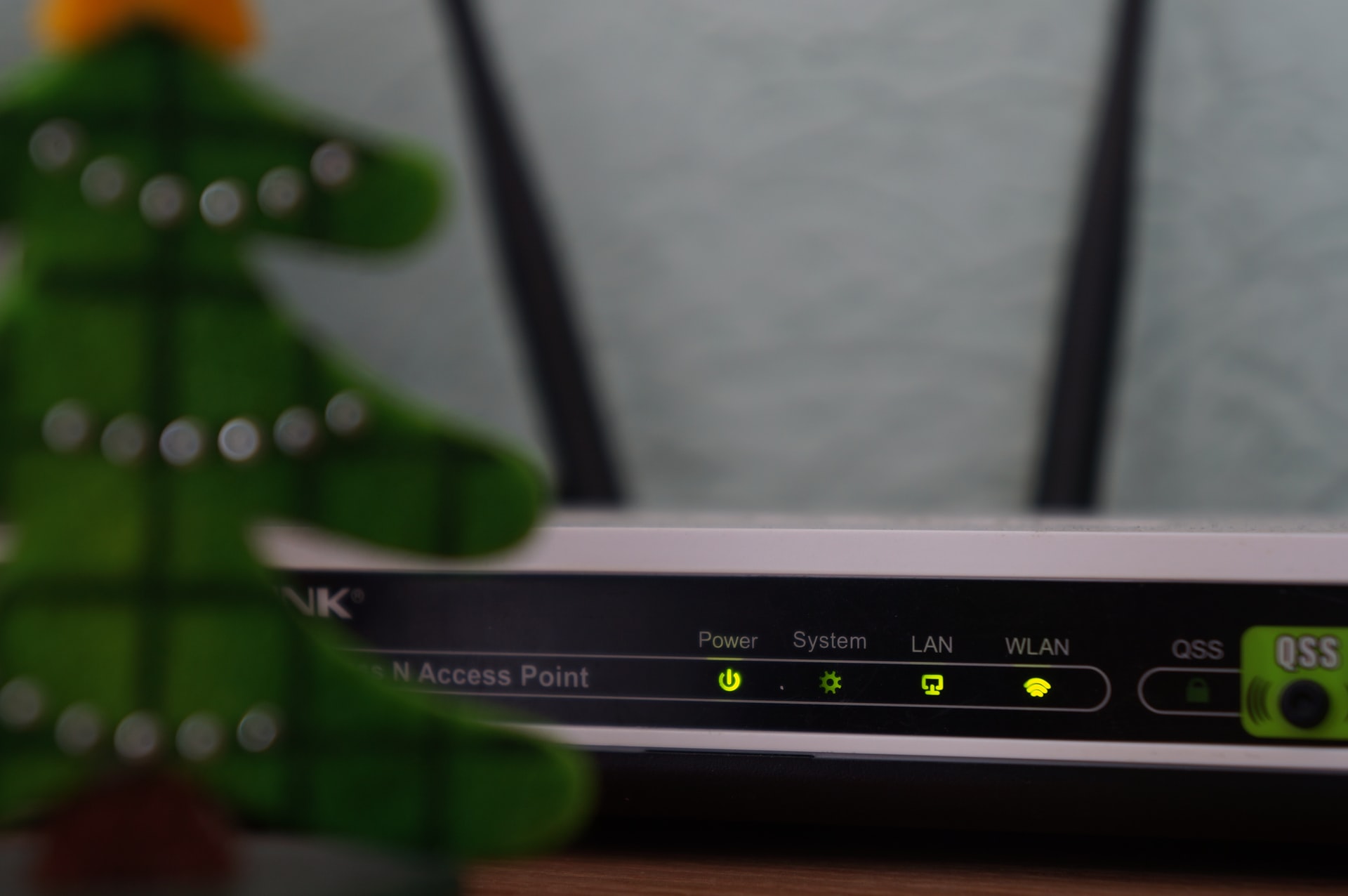
A common question in recent years is, “do you have Wi-Fi?” Many people have adapted to the digital world, and the number keeps on rising. There are several things you need to know about routers before and after purchase. Having this knowledge will assist you in getting the best Wi-Fi user experience.
For example, you must understand how to use 192.168.1.1 when accessing your router’s user interface and more. However, the information in this article comes in handy when purchasing a Wi-Fi router. Below are somethings you have to consider to make the best purchase.
Connections
 If you want to get your router’s wired network, you need to know the port capacity. However, this is often not much of a concern since many people rarely use cables. When considering the wireless network connection, analyze the number of users you expect to have.
Keeping this in mind when getting a Wi-Fi router allows you to get a system that offers all users the connection to a better extent.
Wi-Fi Range
 People build and arrange their houses differently. With this factor in mind, you always need to meet your home’s needs when picking a router. You are likely to need boosters if you have a large place. Ensure that you get a router that can offer a fitting Wi-Fi range for your home.
Make sure to keep your router at a strategic position and away from items like the microwave. Many times that people experience problems with their Wi-Fi connection, positioning of the router is the problem.
Safety
Security needs to be a priority when buying a router. A poor company will give you inferior services, hence why you need to pay attention to the factor. When it comes to security encryption, you have the choice between WP2 and the most recent WP3 encryptions. The router’s internal features are essential and offer you more control over your connection experience.
Technology
Technological advances help improve the speeds of various routers giving users a better experience than in the early years of the product. Among the important advances in Wi-Fi routers is the double band that distinguishes between 2.4 GHz or 5 GHz. Also, consider getting a router that features Band Steering for automatic change between the two bands, giving you a reliable range and results.
If you use the information in this article, getting the perfect Wi-Fi router for your home will not be a challenge.…